Hardware Dongle Software Protection: Complete Guide to Secure Software Licensing
Software piracy is one of the biggest challenges faced by software companies worldwide. Whether the software is used in engineering, medical technology, multimedia production, or enterprise solutions, unauthorized copying can lead to significant revenue loss.
Secure Software Licensing is One of the most reliable methods to prevent piracy is hardware dongle software protection. This technology uses a physical USB security device to control software access and enforce licensing rules. By requiring a hardware key for authentication, companies can ensure that only licensed users can run their software.
Hardware dongles are Secure Software Licensing device widely used by developers and organizations that distribute high-value software applications. These small USB devices store encrypted license information and communicate with the protected software to verify authenticity before execution.
In this Guide to Secure Software Licensing, we will explore how hardware dongles work, their benefits, types, implementation strategies, and why they remain one of the most secure methods for protecting software.
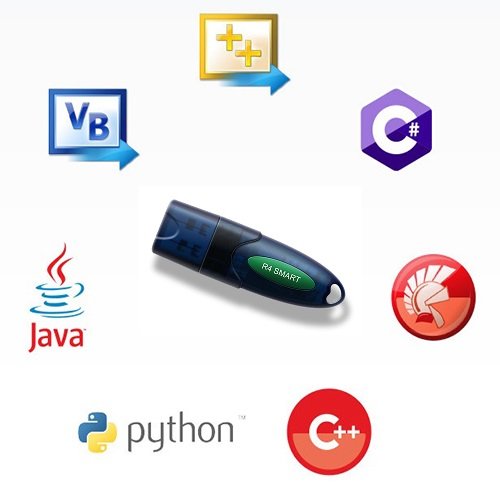
What is Hardware Dongle Software Protection?
Hardware dongle software protection is a copy-protection mechanism that uses a physical hardware device to control access to software applications.
A dongle typically connects to a computer through a USB port and contains a secure microchip that stores encrypted license data. The protected software checks the dongle for authentication before allowing the application to run.
If the correct dongle is not present, the software will either refuse to start or operate in a restricted mode.
This approach is often referred to as hardware-based software licensing because the license is stored in a physical device instead of relying solely on software activation systems.
Many professional software vendors choose hardware dongles because they provide stronger Secure Software Licensing dongle protection against reverse engineering and unauthorized copying compared to purely software-based licensing systems.
How USB Software Protection Dongles Work
Guide to Secure Software Licensing. Understanding how dongle protection works helps explain why it is considered a highly secure software licensing method.
The typical process involves several steps:
1. Dongle Connection
The user inserts the USB dongle into the computer before launching the protected software.
2. Software Authentication
When the application starts, it checks the USB port for the presence of a valid dongle.
3. Encrypted License Verification
The software communicates with the dongle and reads encrypted license data stored in its secure memory.
4. License Validation
If the license information matches the expected authorization parameters, the software unlocks and runs normally.
5. Continuous Security Check
Some systems periodically verify the dongle during operation. If the device is removed, the software may pause or close.
This hardware authentication layer prevents software from being copied and used on unauthorized machines.
Why Software Companies Use Hardware Dongle Protection
Software vendors invest significant resources in development, and piracy can severely impact profitability. Hardware dongles provide several advantages that make them attractive for protecting commercial applications.
Strong Anti-Piracy Protection
Unlike software activation systems that can sometimes be bypassed, hardware dongles contain secure chips designed to resist tampering and cloning.
This makes them highly effective at preventing illegal software distribution.
Offline License Authentication
Many industries operate in environments where internet access is limited or restricted.
Hardware dongles allow software to be authenticated without requiring an online connection, making them ideal for industrial systems, laboratories, and secure facilities.
Secure Encryption Technology
Dongles often include cryptographic processors capable of performing encryption and decryption operations.
These hardware-level security features help protect licensing algorithms and sensitive data.
Portable Licensing
A major benefit of dongles is portability. Users can move the dongle between computers to access the software without installing additional licenses.
This is especially useful for consultants, engineers, and professionals who work across multiple systems.
Types of Software Protection Dongles
There are several types of hardware dongles designed for different security requirements.
USB Dongles
USB dongles are the most widely used type. They are compact, easy to use, and compatible with most computers.
Modern USB dongles often include:
- secure microcontrollers
- encrypted storage
- anti-tamper mechanisms
Smart Card Dongles
Smart card dongles integrate smart card technology to provide an additional layer of security.
They are commonly used in highly regulated industries where strong authentication is required.
Driverless Dongles
Driverless dongles are designed for plug-and-play functionality, meaning they do not require additional driver installation.
This simplifies deployment and improves compatibility across operating systems.
Hardware Dongle vs Software Licensing
Many software companies choose between hardware dongle protection and software-based licensing systems.
Below is a comparison of the two approaches.
| Feature | Hardware Dongle | Software License |
|---|---|---|
| Security | Very High | Moderate |
| Offline Operation | Yes | Limited |
| Piracy Resistance | Strong | Medium |
| Deployment | Requires hardware | Digital distribution |
| Portability | High | Lower |
While secure software licensing systems are easier to distribute, hardware dongles offer superior protection for high-value applications.
Industries That Use Hardware Dongle Software Protection
Hardware dongles are widely used in industries where secure software licensing represents significant intellectual property.
Engineering and CAD Software
Engineering tools often require substantial development investment. Dongles help protect these valuable applications from piracy.
Medical and Diagnostic Software
Medical devices and diagnostic tools often use dongles to ensure compliance with regulatory standards and protect proprietary algorithms.
Industrial Automation
Software used for machine control, PLC programming, and manufacturing automation frequently relies on dongle licensing to secure intellectual property.
Multimedia and Creative Tools
Audio production, video editing, and visual effects software sometimes use hardware keys to prevent unauthorized copying.
Pros and Cons of Hardware Dongle Protection
Like any technology, hardware dongles have advantages and limitations.
Advantages
- extremely strong copy protection
- secure storage of license information
- reliable offline authentication
- portability between computers
Disadvantages
- additional hardware cost
- potential risk of loss or damage
- requires USB port availability
Despite these challenges, many organizations consider the security benefits worth the investment.
How to Choose the Best Software Protection Dongle
When selecting a hardware dongle solution, developers should evaluate several important factors.
Security Architecture
Look for dongles with strong encryption algorithms and secure microcontrollers designed to resist tampering.
Licensing Flexibility
A good solution should support multiple licensing models such as:
- perpetual licenses
- subscription licenses
- feature-based licenses
Developer Integration
Software protection systems should provide SDKs and APIs that allow developers to integrate secure software licensing features easily into their applications.
Cross-Platform Compatibility
Ensure the dongle supports multiple operating systems including:
- Windows
- macOS
- Linux
Scalability
For large software vendors, the secure software licensing platform should support centralized management and large user bases.
Future of Software Licensing and Hardware Dongles
The secure software licensing landscape continues to evolve as new technologies emerge.
Modern secure software licensing systems increasingly combine hardware dongles with cloud-based license management to create hybrid protection models.
In this approach:
- the dongle provides strong local authentication
- cloud systems manage license distribution and analytics
Emerging technologies such as secure hardware enclaves and advanced cryptography will likely further strengthen dongle-based protection.
Although cloud licensing is growing rapidly, hardware dongles remain essential for industries that require maximum security and offline operation.
Conclusion
Hardware dongle software protection continues to be one of the most secure software licensing and reliable methods for safeguarding commercial software against piracy.
By storing encrypted license information in a physical device, dongles provide strong protection that is difficult to bypass or duplicate.
For companies distributing high-value applications—especially in engineering, medical, and industrial sectors—hardware dongles offer a powerful solution for enforcing licensing policies and protecting intellectual property.
As software licensing technologies evolve, hardware dongles will likely remain a key component of comprehensive software protection strategies.
FAQ Section
What is a hardware dongle in software protection?
A hardware dongle is a USB device that stores encrypted license information and allows software to run only when the device is connected to the computer.
How does a USB software protection dongle work?
The protected software communicates with the dongle and verifies the encrypted license data before allowing the application to start.
Why do software companies use hardware dongles?
Hardware dongles prevent piracy by requiring a physical authentication device, making it extremely difficult for unauthorized users to copy or run the software.
Can software run without a dongle?
Most dongle-protected applications will not run unless the correct hardware key is connected to the system.